INTERVIEW WITH LOCATION MANAGER NICCI DILLON
We’ like to share what we hope will be the first of many interviews with ALMG members. This Q&A between ALMG and Location Manager Nicci Dillon called The Art of Location Management in Screen Production, was originally featured in the Australian Film Television and Radio School (AFTRS) blog in late 2025. It was published in the lead up to the AFTRS Locations Department Intensive held in Brisbane and has already inspired several people to join our department across Australia!
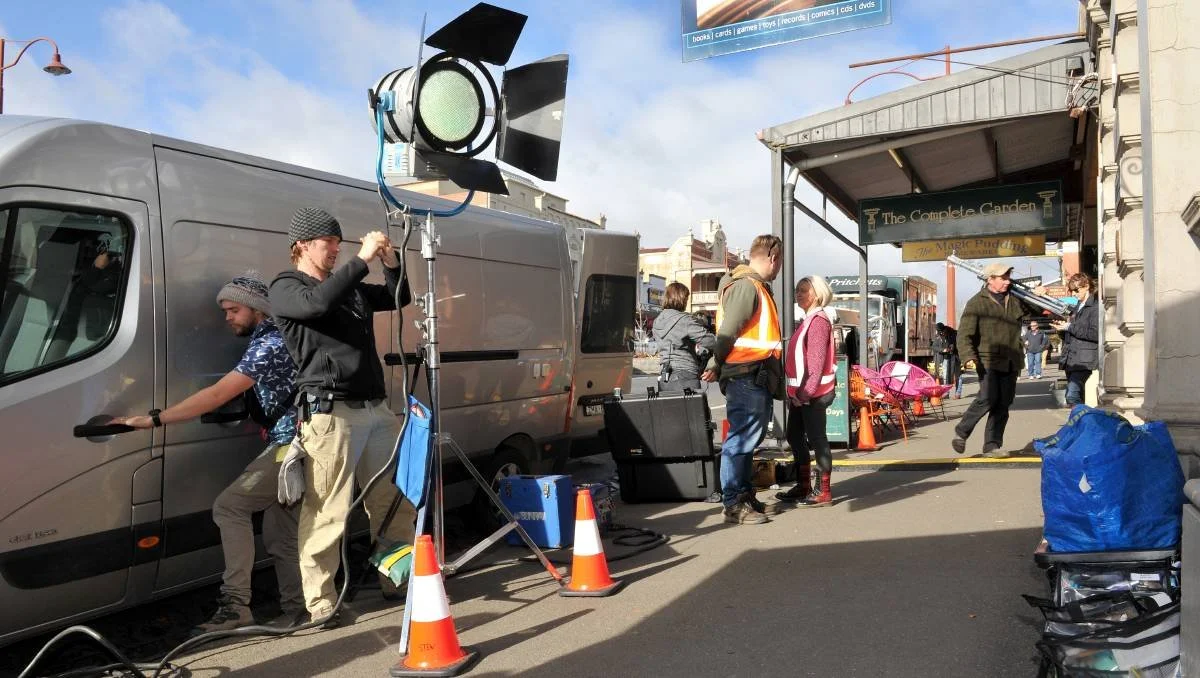
Location Manager Nicci Dillon on set in Daylsford VIC for ABC series The Beautiful Lie. Image: The Advocate
Q&A with location manager Nicci Dillon:
When planning screen productions, one of the most important decisions is whether to shoot on location or in a studio. Filming on location delivers authenticity and realism, thanks to the layered textures, ambient sounds, and natural atmosphere that can’t be replicated.
In many productions, the location becomes a silent character, shaping the story’s world, adding personality and providing a sense of space and movement that is essential to the narrative flow. From urban skylines to rugged landscapes, Australia’s iconic diversity has captivated global audiences in films like Mad Max (Outback NSW), The Great Gatsby (ICSM Manly NSW), Pirates of the Caribbean (Whitehaven Beach QLD), and The Matrix (Sydney NSW).
The location department plays a vital role in finding the perfect location, securing logistics around it and balancing creative vision with practical execution. They liaise across departments to meet the director’s vision, camera and sound requirements and production design needs, while also ensuring access, safety, scheduling and catering logistics are in place. Location scouts and managers are the matchmakers between script and setting, fine-tuning every detail to align creative ambition with budget and resources.
Nicci Dillon is a Victorian-based supervising location manager with over 20 years’ experience in the screen industry. Nicci’s journey began in 2010 on the TV series Offspring, and she’s been hooked ever since by the adrenaline of finding the perfect location. With a background in facilities management for the Victorian State Government, she often assisted productions with filming requests before transitioning fully into the screen industry. Today, she works across Australia and is currently managing a project for Hoodlum Entertainment in Queensland. Nicci’s impressive credits include TV series and mini-series such as Gallipoli, The Beautiful Lie, Mustangs FC, The Doctor Blake Mysteries, The Cry, Bloom, Hungry Ghosts, RFDS, Clickbait, and MaveriX, as well as feature films Holding the Man, The Dry, and Nitram.
Nicci shares her insights into the vital role of the locations department and the qualities that make someone thrive in this dynamic position.
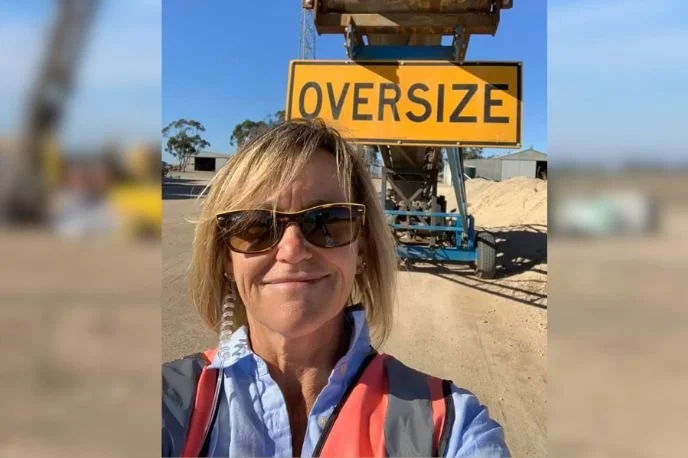
Location Manager Nicci Dillon.
For those unfamiliar with the Locations Department, How would you describe its role in film and television production?
“We are the ones who find the character that never speaks, but the one that supports the story. Yes, there are a lot of logistics involved, but primarily we find that fundamental part that shows where the storyline is going. Locations need to work for the character and the world of the film and things must make sense. If you don’t get that right, audiences pick up on the weirdness. Locations are the seamless support of the cast.”
What are some of the biggest misconceptions people have about location managers and scouts?
“That we work a 9-5 day and that our job isn’t that hard! It’s more than a couple of calls and signed bits of paper. We have to take care of everybody. We’ve got to know what the crew’s needs are, but then there are the needs of the community around us, such as businesses and residents, and everything we do must be feasible, legal and safe. We deal with location access, parking, traffic, councils and the police and, due to last-minute schedule changes, everything can turn on a dime.”
What kinds of skills or personal qualities make someone well-suited to work in the Locations Department?
“A level head, being logical, organised, creative, and you need to be able to communicate. Communication is king and key to everything that we do. You need to have the ability to empathise and understand other people. You need to be calm where you can be and responsible – common sense is essential in our world. If you like thinking on your feet, are up for a challenge, can handle the long hours, the pressure and the intensity of it all, you will know very quickly if this job is for you.”
How do location professionals collaborate with other departments, like production design, cinematography or safety?
“We collaborate with all departments. Creatively, we try to find what the director, producers, designer and cinematographer want in terms of their ideal picture. When people read a script it’s like reading a book, everyone has a different version in their head of what the film world looks like, and I may even have my own ideas – but it’s not up to us in the locations department to determine the look of the film and we don’t force our opinions.
Our job is to help make the key creatives’ dream come true. Sometimes what they dream doesn’t exist or it isn’t possible to facilitate, so we try to find the best version of that and offer alternatives. This is where our creativity comes in. Then there is the safety aspect. We’ve got to make sure that we’re ticking everybody’s boxes so that when those film trucks start parking, and everything opens up, with equipment coming out, all safety measures are in place. It’s one big collaborative process and in many ways, we facilitate a lot of it.”
What does a typical career path look like for someone entering the Locations Department?
“I don’t think there’s ever a typical way to enter the industry, but generally speaking it’s probably a good idea for most people to experience being on set – whether as an on-set PA, starting out in unit or working as an on-set location manager – just to get an understanding of how film shoots run. Or you could start as a location coordinator.”
What advice would you give to someone considering a career in locations but unsure where to start?
“I would say reach out to your state film bodies and try to get an attachment. Or you can simply reach out to people and show an interest – let us know you are around. Contact organisations like ALMG (Australian Location Managers Guild). But be prepared to start at the bottom and learn the ropes. I have been doing this job for 20 years and there are still things I don’t know.”
What drew you to location work originally, and what keeps you passionate about it today?
“I love what I do. I love the fact that I’m thinking on my feet every day, I get to go into places and see things I would never get to normally see. It’s the adventure of using my creative side and when scouting, going, ‘Ooh, that’s exactly what’s been written and what everyone is talking about,’ and just nailing a location. There is so much positivity to what we do and it just brings me joy.”
*LOOK OUT FOR FUTURE AFTRS LOCATION DEPARTMENT INTENSIVE COURSES.