
South Australia
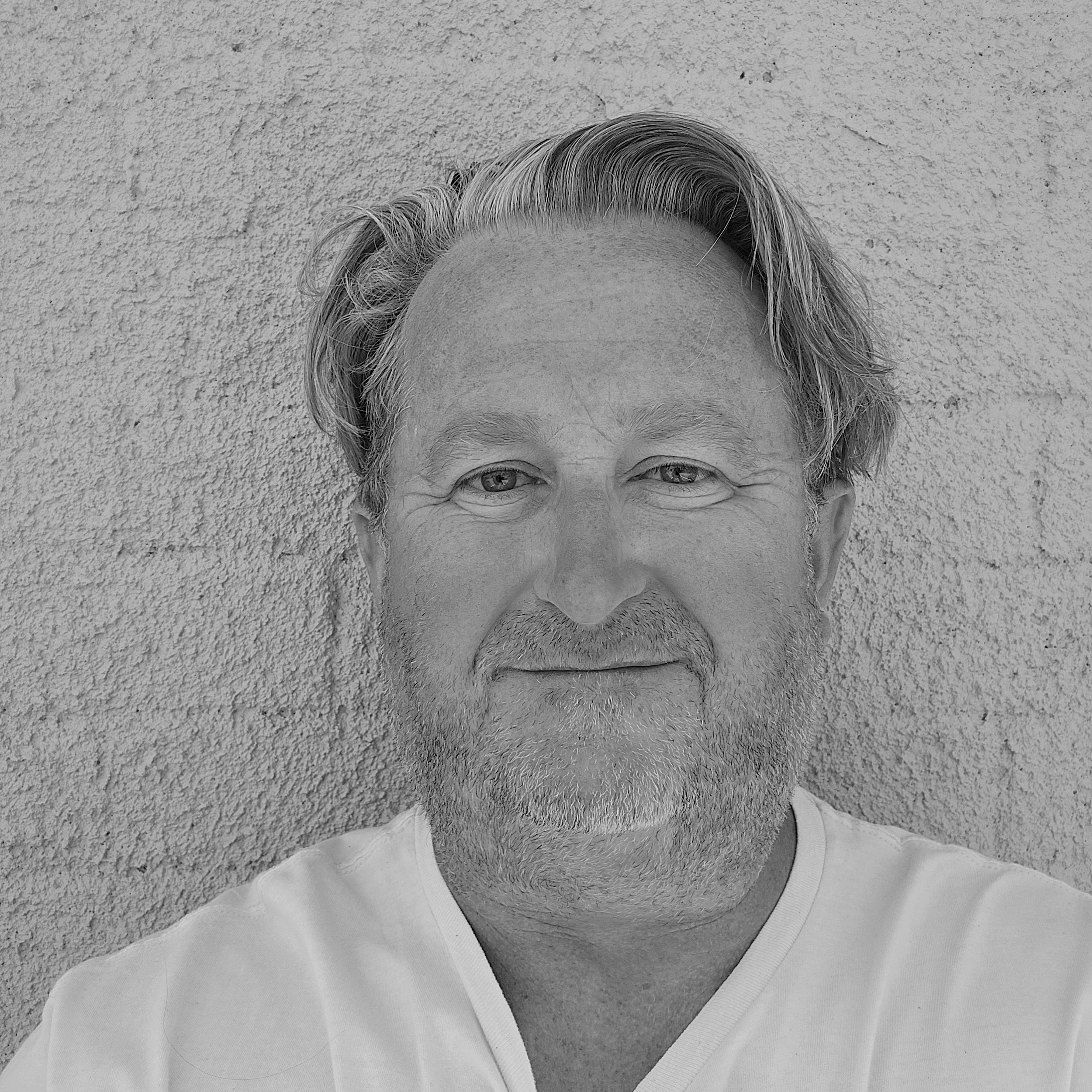
ALMG’s South Australian State Representative
Locations Overview
Capital City: Adelaide
Population (Greater Adelaide): approx. 1.4 million
South Australia is widely regarded as one of Australia’s most film-friendly and efficient production states, offering streamlined approvals, experienced crews and a collaborative screen culture.
Adelaide is uniquely positioned between the coast and the Adelaide Hills, allowing Location Professionals to access a wide range of urban, coastal, rural and bush locations within relatively short travel times. Getting around Adelaide and regional South Australia is generally straightforward compared to larger eastern states, and the majority of councils and agencies are receptive to filming enquiries when approached early and correctly.
South Australia has a strong track record across feature films, television drama, documentaries and commercials, supported by a mature production ecosystem, practical councils and competitive state incentives that can be combined with federal offsets.
The state offers heritage streetscapes, vineyards, coastlines, deserts, pastoral land and remote outback regions — making it particularly attractive for productions requiring multiple looks within tight schedules.
Practical Considerations When Filming in South Australia
While South Australia is generally efficient to film in, Location Professionals should not mistake “film-friendly” for “permit-free.” Planning, consultation and clarity of scope remain essential.
Adelaide’s lower population density compared to eastern capitals often translates to easier access, reduced congestion and more flexible unit base options. However, filming within the CBD, parklands, coastal areas and heritage precincts still requires early engagement and realistic scheduling — particularly for night filming, traffic control, drones or activity impacting public access.
With Greater Adelaide’s population at approximately 1.4 million, productions should still account for:
Event-heavy calendars (particularly during festival seasons)
Heritage overlays in inner-city and regional townships
Environmental sensitivities in coastal, desert and conservation areas
South Australia operates across metropolitan and regional councils, along with multiple state agencies depending on land type. Approval processes are generally clear, but turnaround times and requirements can vary by council and location context.
Working with Councils in South Australia
South Australia is a state where local knowledge and established relationships materially improve outcomes. While the overall filming environment is cooperative, councils and agencies operate independently and expectations, processes and turnaround times can vary significantly.
Location Professionals working in South Australia should:
• Confirm land ownership and jurisdiction early
• Engage councils and agencies well before locking locations
• Allow adequate time for environmental and cultural consultation
• Avoid assuming interstate processes or timelines apply locally
Smaller productions often benefit from South Australia’s film-friendly approach, however clarity of scope, early communication and realistic lead times remain essential.
To support Location Professionals working across metropolitan and regional South Australia, ALMG’s South Australia State Representative has prepared a comprehensive Local Council Filming Guide, outlining filming processes, contacts, indicative fees and response considerations for all councils across the state.
Download: South Australia Local Council Filming Guide (PDF)
(Prepared by ALMG SA State Representative)
This guide is intended as a practical reference for both visiting and locally based Location Professionals and should be used alongside direct council engagement and project-specific consultation.
Agencies to Allow Extra Time For
Department for Environment and Water (DEW): Responsible for National Parks, reserves, Crown Land and protected areas.
Lead times vary depending on ranger consultation
Drone use, night filming and high-impact activity require additional approvals
Fees have increased in recent years (often around $1,000/day — discretionary and negotiable)
Filming & photography guidelines: https://www.environment.sa.gov.au/topics/parks/filming-and-photography
Forestry SA: Manages pine plantations and natural forest areas close to Adelaide.
Minimum four-week approval period
Access not permitted on Total Fire Ban days (declared at 4pm the day prior)
Filming, drone and photography guidance: https://www.forestrysa.com.au/industry/filming-photography-and-drones/
SA Water: Manages reservoirs and associated land holdings.
Minimum four-week lead time
No swimming permitted in reservoirs
Access not permitted on Total Fire Ban days
Initial contact via SA Water media team recommended
Events & access requests: https://www.sawater.com.au/about-us/events-and-access-requests
Coober Pedy & Remote Regions: Coober Pedy operates heavily on in-person relationships and local engagement.
Mining permits and claims required within precious stones fields
Many approvals require face-to-face consultation
Emails and phone calls may go unanswered without local presence
Breakaways National Park (near Coober Pedy): Managed by the Kanku Breakaways Board.
Traditional Owner attendance required (minimum two)
Approval timelines depend on activity and location
Ground disturbance approvals may take up to 12 months
All areas fall under Native Title — consultation via AMYAC is essential: https://www.amyac.org.au
Other Authorities & Considerations
Renewal SA: Manages surplus South Australian Government property for sale or lease.
Generally difficult to engage
Response times are often very slow
Universities: The University of Adelaide and UniSA have merged to form a single institution. In the immediate term:
University of Adelaide filming handled by Marketing
UniSA filming handled by Facilities
Fees typically average around $2,000 per day (Processes expected to change as systems merge)
SA Film Corporation (SAFC): SAFC does not have authority over government departments or agencies. However, in rare cases, the SAFC CEO has escalated location issues to the Arts Minister as a last-resort support pathway.
Locations Currently Restricted or Unavailable
Julia Farr Hospital — currently under demolition; filming no longer possible
Port Gawler Dirt Bike Track — previously popular location; land now for sale and operators are less inclined to approve filming
STUDIOS
Adelaide Studios: South Australia’s primary studio facility, offering sound stages, production offices and post-production services within close proximity to Adelaide’s CBD and crew base.
State Screen Authority — Screen South Australia
Screen South Australia is South Australia’s state screen agency, supporting production through funding, incentives, studio access and practical production liaison. The agency works closely with Location Professionals, producers and councils to facilitate efficient approvals, provide strategic guidance, and support complex or high-impact productions across the state.
First Nations & Cultural Heritage Considerations — south australia
Location Professionals working in South Australia must treat First Nations engagement, cultural heritage responsibilities and Country-specific protocols as an integral part of the locations process.
All of South Australia — including Coober Pedy and surrounding regions — is subject to Native Title considerations.
Filming on national parks, conservation areas, waterways, pastoral land, mining regions and culturally sensitive sites may trigger consultation, monitoring requirements or formal approvals under South Australian legislation.
Early, informed and respectful engagement is essential. Location teams should:
• Identify the correct Traditional Owner groups early
• Allow sufficient time for consultation and attendance requirements
• Follow guidance regarding access, activity limits and site protection
Key starting points include:
• South Australian Native Title Services | +61 8 8110 2800 https://www.nativetitlesa.org
• Reconciliation SA | +61 8 7082 2977 https://www.reconciliationsa.org.au
• Antakirinja Matu-Yankunytjatjara Aboriginal Corporation | +61 8 7634 4510 https://www.amyac.com.au
Understanding when consultation is required, who to engage, and how to navigate these processes is a core responsibility of Location Professionals working in South Australia. Established local relationships can significantly streamline approvals while ensuring cultural obligations are met appropriately and respectfully.

South Australian Film Corporation
South Australian Film Corporation (SAFC) is South Australia’s state screen agency, supporting Location Professionals and productions through funding, incentives, studio access and practical production liaison across the state. As Australia’s longest-running screen agency, SAFC has a well-established approvals environment and strong working relationships with councils, state agencies and industry.
SAFC works closely with Location Professionals to assist with permitting pathways, agency liaison and location strategy, particularly for projects involving heritage precincts, coastal environments, regional land and remote locations. The agency is known for its collaborative approach and plays a key role in facilitating efficient outcomes for both domestic and international productions filming in South Australia.
Email: programs@safilm.com.au
Phone: +61 8 8394 2000
Address:
South Australian Film Corporation, Adelaide Studios,
1 Mulberry Road, Glenside, South Australia 5065 AUSTRALIA
MAIN CONTACT: Leanne Saunders | Head of Production & Development leanne.saunders@safilm.com.au
SAFC Production & Location Support
Funding, incentives guidance, studio access and production liaison services